Pay ranges differ across industries and roles, but having an Australian Business Qualification can boost your earning capacity. How much depends on whether you hold a Certificate IV, Diploma, or Advanced Diploma, plus your background and chosen sector. This article lays out typical pay scales associated with each qualification level, highlighting what you can realistically aim for based on official data and common workplace outcomes.
Certificate IV (AQF Level 4)
Common Roles:
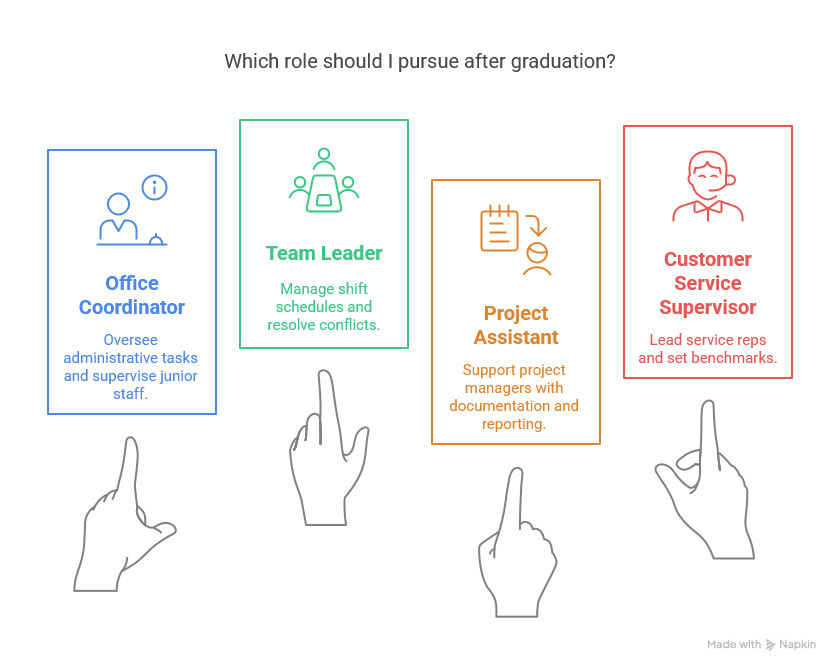
- Office coordinator
- Junior project assistant
- Team leader in smaller settings
- Administrative supervisor
- Customer service team leader
Main Responsibilities:
- Overseeing daily operations
- Managing minor administrative projects
- Guiding a small team or department
- Handling basic resource allocation
Graduates from a Certificate IV in Business often find immediate entry into supervisory roles that pay more than unqualified entry-level positions. For instance, if you were previously a receptionist or tradesperson, moving into an administrative supervisor role can significantly raise your income. Still, the jump from a Certificate IV to a more complex managerial role may require either more hands-on experience or bridging into a Diploma down the line.
Diploma (AQF Level 5)
Common Roles:
- Operations supervisor
- Project coordinator
- Middle manager
- Team leader in larger settings
- Department coordinator
Main Responsibilities:
- Department-level leadership
- Project management
- Resource coordination
- Budget handling
- Performance evaluation
With a Diploma of Business, you often qualify for mid-tier managerial or specialist roles, like HR coordinator, marketing team lead, or operations manager. According to the Department of Employment and Workplace Relations, these roles generally pay well above entry-level positions, reflecting the operational and analytical responsibilities demanded. Industries such as construction, IT, and healthcare may push salaries toward the upper limit of that bracket if there's a skill shortage or high-level project management involved.
Advanced Diploma (AQF Level 6)
Common Roles:
- Senior operations manager
- Business consultant
- Strategic planner
- Business development manager
- Project director
Main Responsibilities:
- High-level strategy
- Major project oversight
- Cross-departmental leadership
- Risk management
- Long-term planning
Advanced Diploma holders frequently step into senior roles that shape organisational direction. The pay scales can exceed AUD 100,000, especially if you're in a booming sector like tech or mining, or if you handle multiple teams and significant budgets. Some professionals also transition into consulting, setting their own rates based on the complexity and scale of client engagements. While actual salaries vary widely, the advanced diploma typically positions you for roles with broader strategic mandates—and salaries to match.
Additional Influences on Salary
Industry
Sectors like finance, engineering, or technology often offer higher pay than retail or hospitality. The advanced skill sets you bring can align closely with high-paying industries that value strong organisational or strategic insight. For example, a project coordinator with a Diploma of Business might earn toward the upper end of the range in construction or IT, but closer to the lower end in retail or non-profit sectors.
Location
Major urban centres like Sydney, Melbourne, or Brisbane typically show higher salary ranges than regional towns. However, cost of living also rises in parallel. Some regional areas with skill shortages may offer competitive salaries to attract qualified business professionals, especially in growing sectors like healthcare management or resources.
Experience
Even with the right qualification, you'll typically need some relevant work experience to hit the upper salary range. For example, a construction supervisor with an Advanced Diploma might see more immediate financial rewards than a newly credentialed graduate without significant field experience. Many employers value the combination of practical knowledge and formal training.
Negotiation Skills
Remember that qualifications get you in the door, but negotiating for an appropriate salary or seeking promotions over time remains your responsibility. Confidence in highlighting how your training can reduce costs, increase efficiency, or boost revenue often determines whether you'll land in the mid or upper end of a pay bracket.
Making the Most of Your Qualification
Strategies to Maximize Earning Potential:
- Showcase Impact: Use real examples from your coursework—like a successful project plan you created—to demonstrate immediate benefits to employers.
- Stay Current: Industries evolve. Attending workshops or short professional courses keeps your knowledge fresh, potentially increasing your value.
- Focus on Soft Skills: Leadership, communication, and empathy often differentiate strong managers from mediocre ones. Even if you have a qualification, consistent improvement in these areas leads to better roles and pay.
- Target High-Growth Sectors: If you're mobile, relocating or pivoting to a sector experiencing growth can yield faster career progression. Monitoring job boards and labour market reports helps you spot these trends early.
- Build a Professional Network: Connections within your industry can open doors to higher-paying opportunities that may not be advertised.
Australian Business Qualifications can significantly influence your salary potential, especially in leadership or strategic roles. Certificate IV holders typically land in the AUD 45,000-60,000 range, Diploma holders move closer to AUD 60,000-90,000, and Advanced Diploma graduates can exceed AUD 100,000 under the right conditions.