When comparing a Certificate IV, Diploma, or Advanced Diploma, cost often emerges as a deciding factor. Each level varies in tuition, potential subsidies, and related expenses—like materials or workshop fees. This article details the general price ranges for each qualification, exploring how government loans, employer sponsorships, or state funding might offset those fees. By the end, you'll have a clearer sense of how to budget, whether you're eyeing an entry-level business course or aiming for advanced strategic training.
Certificate IV in Business (AQF 4)
Certificate IV programs are usually the most budget-friendly. Public TAFEs often price them on the lower side, while private RTOs can be slightly more expensive. If you qualify for local subsidies—like state-based vocational training grants—you might significantly reduce your out-of-pocket expense. Some tradespeople who are shifting to admin roles find that industry bodies or employers are willing to pay part of the tuition, especially if the newly acquired skills align with the company's operational needs.
Cost-Saving Tips:
- Compare TAFE vs private provider pricing
- Check eligibility for concession rates
- Ask about recognition of prior learning to reduce units needed
- Look for end-of-financial-year specials from RTOs
Keep in mind that VET Student Loans rarely extend to certificate-level courses. You may need to explore payment plans or personal financing options if you can't cover the tuition upfront.
Diploma of Business (AQF 5)
The Diploma often carries a broader scope and deeper content than a Certificate IV, reflected in higher tuition fees. Some RTOs include additional services—like one-on-one mentorship, extended library access, or career placement support—which can inflate the price. Conversely, government funding programs or VET Student Loans may apply to certain diploma courses, allowing you to defer payment until your earnings surpass a threshold.
Cost-Saving Tips:
- Upgrade from Certificate IV for potential credit transfers
- Research which RTOs offer the most competitive VET Student Loan caps
- Ask employers about professional development allowances
- Check if your industry has specific education funds available
If you're upgrading from a Certificate IV, ask if the RTO grants advanced standing for relevant units. This could shorten the course—and reduce costs. In some cases, corporate sponsorship also helps, especially if your employer views a diploma-level qualification as beneficial for departmental leadership.
Advanced Diploma of Business (AQF 6)
At AQF Level 6, the Advanced Diploma involves complex strategic modules and can take up to two years full-time. Accordingly, tuition often hits the higher end of the VET spectrum. While certain RTOs offer scholarships or partial subsidies, you may need to rely heavily on payment plans or VET Student Loans if you meet the eligibility criteria. Because the advanced diploma prepares you for senior roles, the potential salary gains can justify the higher cost, but it's essential to confirm that the RTO you select has robust industry connections, experienced tutors, and a curriculum that genuinely meets advanced leadership standards.
Cost-Saving Tips:
- Consider staged completion if funding is limited
- Look for bundled qualification paths (Diploma + Advanced)
- Explore potential tax benefits with an accountant
- Negotiate study leave with employers to maintain income
Additional Factors Impacting Cost
Beyond Tuition: Other Expenses to Consider
- Resource Fees: Textbooks, software licenses, or online platforms might tack on several hundred dollars. Some RTOs bundle these into the main tuition; others charge separately.
- Workshops and Practicums: If the course requires in-person attendance for certain modules, travel and accommodation can inflate costs.
- Payment Plans: Many RTOs let you pay incrementally, which can be helpful but may carry administrative fees or interest.
- Assessment Resubmissions: Some providers charge for second or third attempts at assessments, so factor in your confidence in passing on first submission.
- Technology Requirements: Online or blended learning might necessitate specific device capabilities or software packages.
Evaluating all these aspects before enrolment ensures you won't be blindsided by hidden fees or logistical costs.
Cost vs. Value: Making the Decision
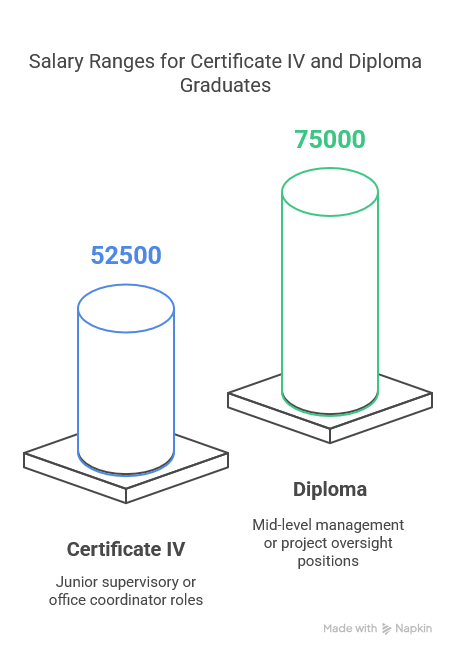
Though the price tags can seem high, business qualifications frequently offer a strong ROI. Those shifting from unskilled or entry-level roles to supervisory or managerial positions often recoup tuition expenses via increased wages. For entrepreneurs, the structured approach to leadership, risk management, and operations can curb expensive mistakes, leading to healthier profit margins.
Still, it's worth comparing multiple RTOs. Investigate their track record: Are graduates finding better jobs or promotions? Are the trainers experienced in relevant industries? A cheaper option with subpar instruction may yield minimal professional gains, while a moderately more expensive RTO might deliver robust practical learning and better networking opportunities.
The key is to balance immediate affordability with long-term returns. If a Diploma or Advanced Diploma can boost your annual earnings by AUD 10,000 or more, the investment can pay off within a couple of years. Just ensure you're eligible for any applicable subsidies or loans before committing.
Costs for Australian Business Qualifications scale up with AQF levels—Certificate IVs tend to be most affordable, while Advanced Diplomas can surpass AUD 20,000. Payment plans, government funding, and employer sponsorship often mitigate the financial burden, but it's crucial to verify each RTO's policy.